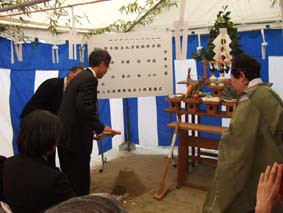
The ground-breaking ceremony was held safely on an auspicious day in June.
Reinforced concrete construction with external insulation and no scaffolding.
Original decorative formwork construction method
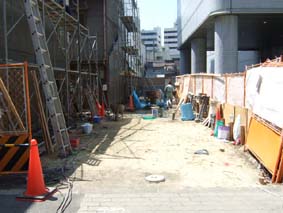
Repair of adjacent building after demolition of existing structure
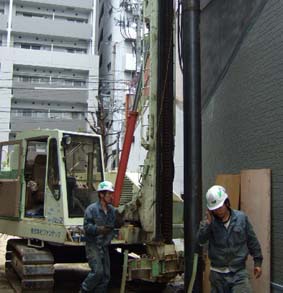
We supervised the pile construction work. The pile locations were confirmed in advance, and the EAZET method was used for the piles.
The key points of supervision were product inspection of the piles and
determination of the construction length. In other words, adjustments were
made if the actual conditions differed from the pre-construction ground
survey data.
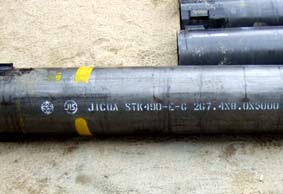
Each pile has product information such as steel pipe strength written on
it.
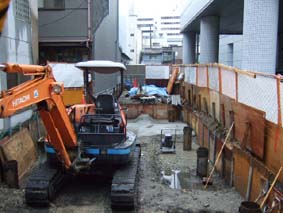
After the pile construction was completed, earthworks began.
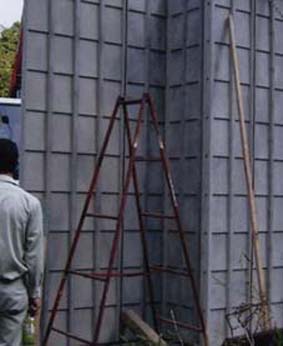
Simultaneously with the pile construction, a test fabrication of the RC external insulation decorative formwork (scaffold-free) method was carried out at the Yamaguchi factory.
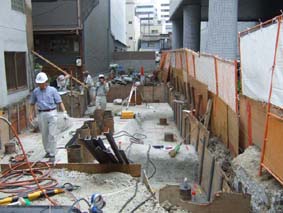
Confirmation inspection of pile locations was carried out
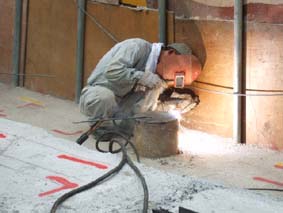
steel plates were welded to the pile heads
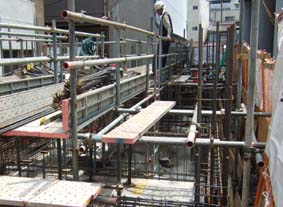
foundation reinforcement work was carried ou
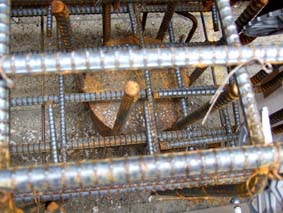
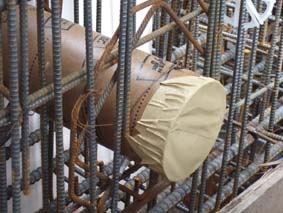
reinforcement inspection and intermediate inspection were completed,
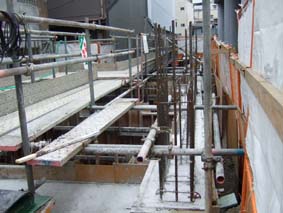
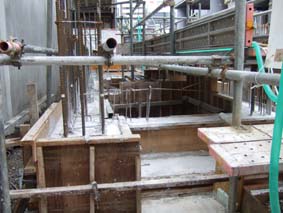
foundation concrete was poured
In parallel with the curing of the foundation concrete, we are preparing
the custom-made exterior insulation panels for the first-floor exterior
walls.
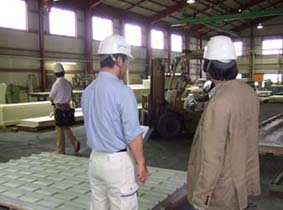
I traveled to Tokuyama City, Yamaguchi Prefecture, to inspect the custom-made
exterior insulation panels.
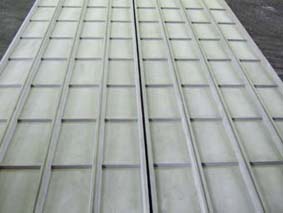
Normally, in reinforced concrete houses, the concrete load during concrete pouring is supported from the outside by formwork and scaffolding pipes.
However, in this case, because the building was constructed right up to the property boundary, there was no space to erect scaffolding or scaffolding pipes.
Therefore, as an alternative, we specially ordered exterior insulation panels with support ribs (straight bulges) as shown above.
These panels serve three purposes: exterior insulation, formwork, and decorative finishing material.
。
|
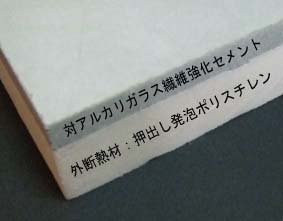
This is a ready-made product, but its basic structure is as described above.
Ribs (straight, bulging sections) are added to withstand the weight of
the concrete during construction.
|
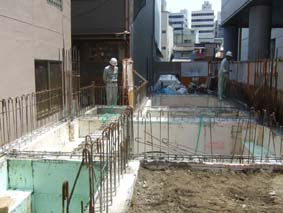

This is the foundation covered with insulation.The concrete formwork for
the foundation has been removed.
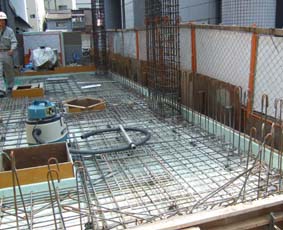
Rebar work for the first-floor slab has been completed .
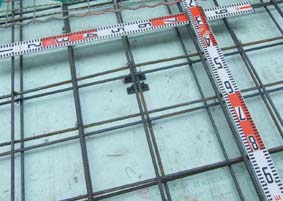
Rebar inspection and opening position confirmation have been carried out
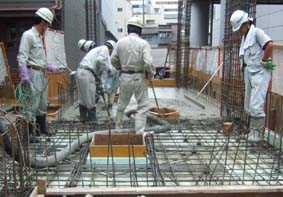
Concrete pouring for the floor slab was done
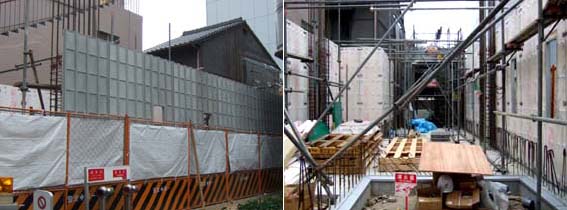
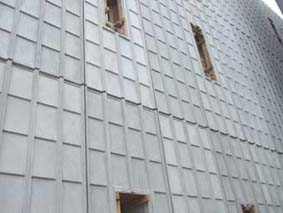
On october 10th decorative exterior insulation panels have been installed up to the third floor .
Formwork panel work for the first floor has begunin August.
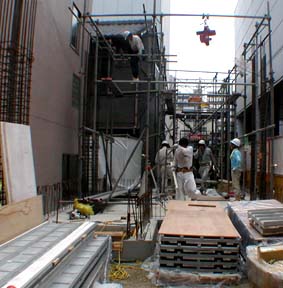
Following the concrete pouring for the first-floor slab, the erection of
the exterior decorative formwork has begun. The decorative formwork that
has been delivered is in the foreground of the photo.
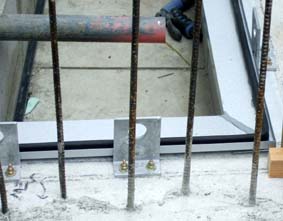
These are the metal fittings for installing the decorative formwork. The
base is waterproofed with packing and flashing.。
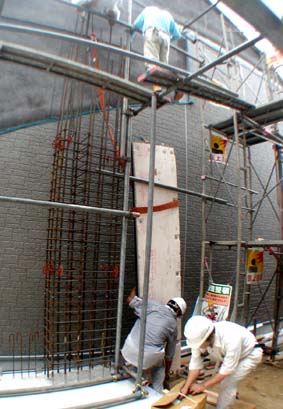
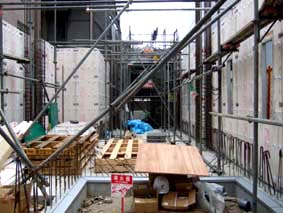
Insulation material has been installed inside the decorative formwork.
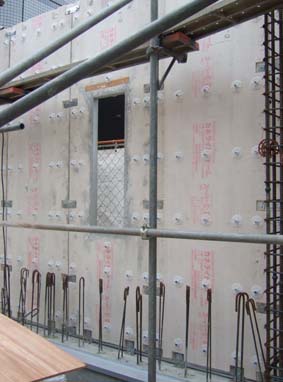
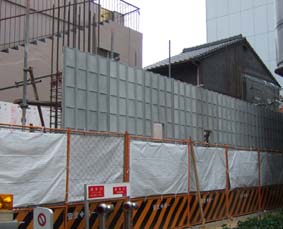
This is the decorative formwork on the outside of the first floor.
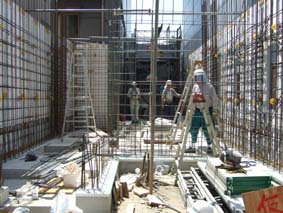
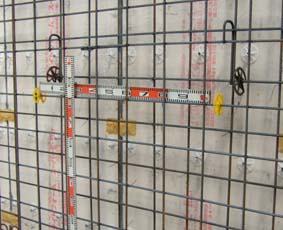
Rebar inspection of the first-floor walls has been carried out.


The exterior is the decorative formwork that we have shown you many times,
but the interior is general plywood formwork
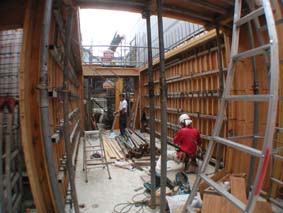
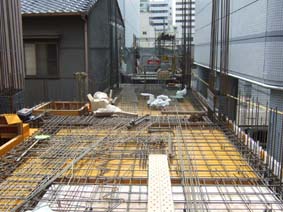
Inspection of the second-floor slab and beam reinforcement has been carried out.
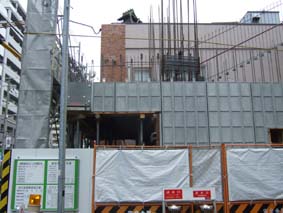
Decorative formwork on the west side .
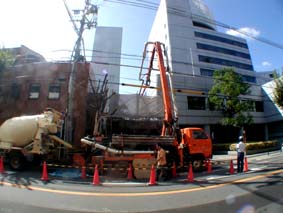
Concrete pouring is being done today.
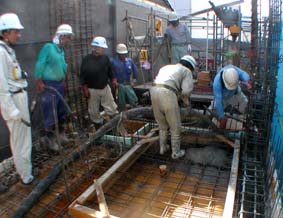
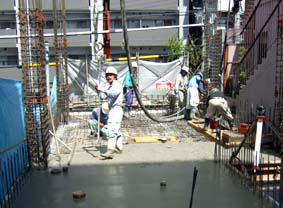
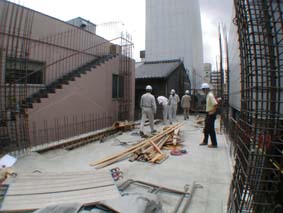
After the concrete pouring, I went up to the second floor with the client.
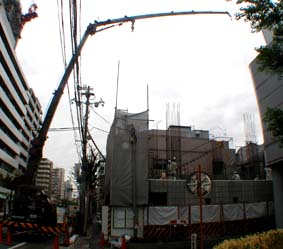
The insulation panels for the second-floor exterior wall are lifted by
a crane and set one by one.
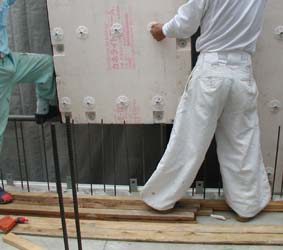
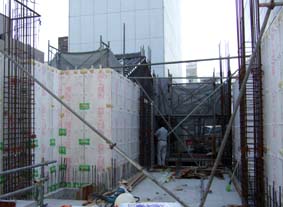
Installation of the insulation panels on the second-floor exterior walls
is almost complete .
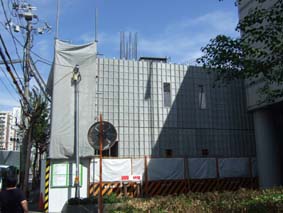
The decorative exterior insulation panels have been installed up to the
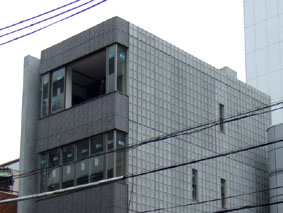
second floor.The ribs on the surface create a unique, unprecedented design.
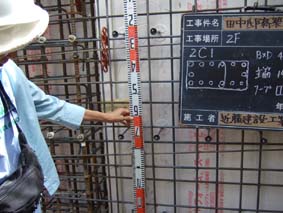
September 15th: Inspection of the second-floor wall and column reinforcement. The client also joined us for the inspection.
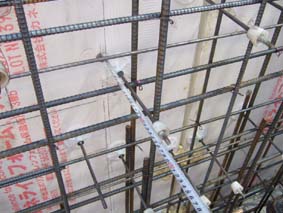
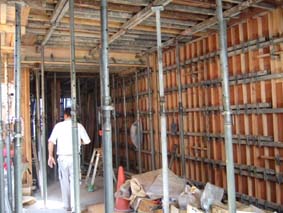
After completing the reinforcement inspection, formwork was installed for the inside of the second-floor exterior walls and the third-floor slab.
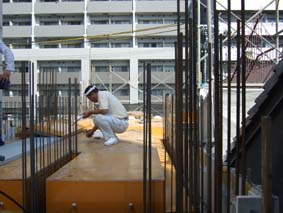
Formwork panel work for the third-floor slab
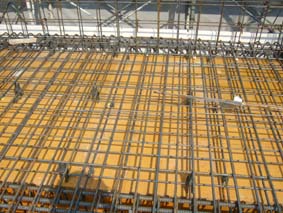
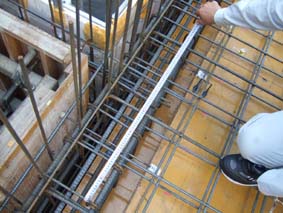
September 28th: Rebar inspection by the design supervisor and intermediate
inspection by a third-party organization completed.
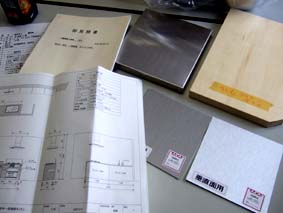
September 28th: A meeting was held to discuss the original design of the system kitchen in between the third-floor slab rebar inspections.
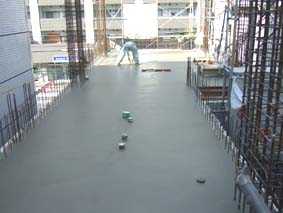
October 2nd: Concrete pouring for the third-floor slab.

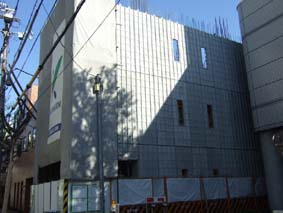
October 13th: Decorative exterior insulation panels were installed up to
the third floor.
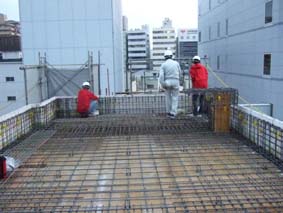
Rebar inspection completed with the client present.
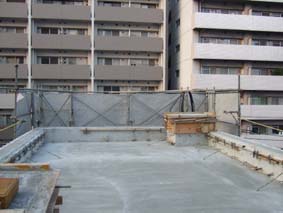
November 13th: Concrete pouring for the rooftop completed .
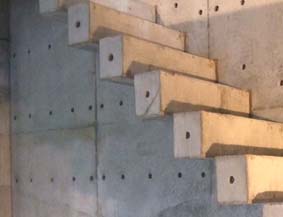
This is a staircase structure with support on one side. Wooden treads will
be placed on top of this.
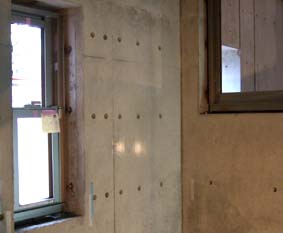
Window sash installation has begun. Finishing work will begin soon.
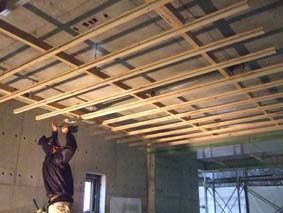
Ceiling substructure installation
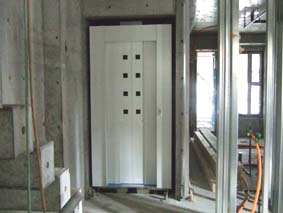
elevator installation completed
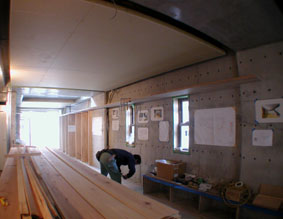
on January 10, 2008 Interior work is progressing smoothly.
February 2008. Construction is nearing completion.
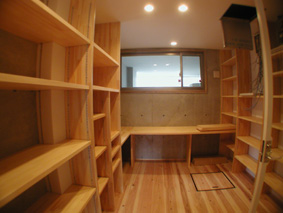
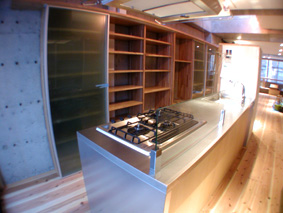
Atelier: Shelves are made of laminated pine, and the floor is made of 30mm thick cedar planks.
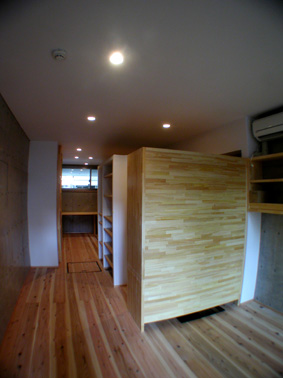
Western-style room: The partition does not extend to the ceiling to create
a sense of spaciousness.
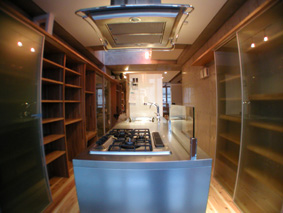
The refrigerator in the front separates the kitchen and living room.

Concrete cantilevered staircase.
 |
|
|
|
 |







